Review: Distressed American Flag for 4th July Apparel
As an embroidery designer who spends more time analyzing stitch paths than sleeping, I am always on the lookout for digital assets that bridge the gap between mass-produced kitsch and high-end boutique appeal. When I recently browsed Creative Fabrica embroidery collections for my upcoming summer line, the Distressed American Flag, USA, 4th July Embroidery Design caught my eye. It promised a vintage aesthetic that is notoriously difficult to achieve without excessive thread breaks or poor density management. After reviewing the files and running test stitches, I want to share how this design performs in real-world apparel scenarios.
Visual Personality and Stitching Mood
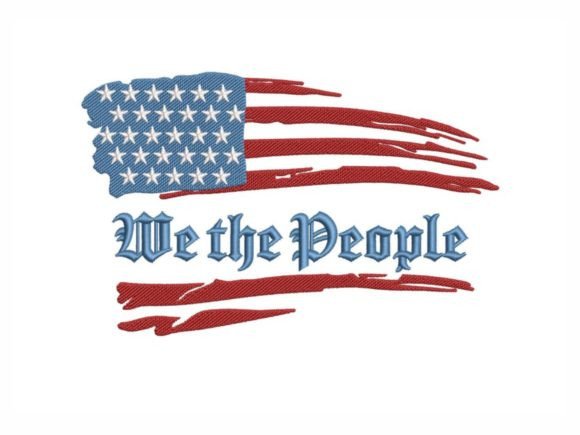
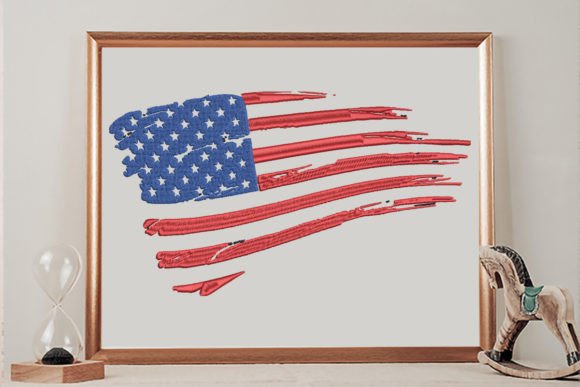
The first impression of the Distressed American Flag, USA, 4th July design is its intentional imperfection. In the world of machine embroidery design, "distressed" can often mean messy, but here it reads as curated rustic charm. The visual personality leans heavily into a classic, worn-in Americana vibe rather than a bold, modern graphic look. This makes it exceptionally versatile for brands aiming for a heritage or handcrafted feel.
The stitching mood is casual yet premium. By simulating the look of faded fabric through strategic gaps in the satin and fill stitches, the design avoids looking like a heavy plastic patch stuck onto clothing. Instead, it integrates with the fabric texture. For boutique brand owners, this distinction is crucial. It signals to the customer that the garment is a lifestyle piece, not just a holiday costume. The detail level is sufficient to be recognizable from a distance but subtle enough to invite closer inspection, which is ideal for social media graphics and lifestyle product photos.
Performance Across Apparel Categories
I tested this embroidery file across several garment types to gauge its versatility. Here is how it performed in specific applications:
- Sweatshirt Embroidery: On mid-weight cotton fleece, the design held up beautifully. The distressed nature of the pattern helps mask any minor sinking that can occur with plush fabrics, making it a forgiving choice for sweatshirt embroidery.
- Hoodie Design: For chest placement on hoodies, the scale was appropriate. It did not overwhelm the garment. However, for back designs, you may need to enlarge it significantly, so check the scalability limits in your software.
- T-Shirt Embroidery: On jersey knits, stability is key. The design worked well when paired with a cut-away stabilizer, ensuring the stars and stripes remained crisp without puckering the lightweight fabric.
- Tote Bag Design: Canvas totes are a staple for Etsy sellers. The dense areas of the flag provided excellent coverage on the rougher weave of canvas, creating a durable handmade product that withstands daily use.
- Denim Jackets: This is perhaps the strongest use case. The rugged look of denim complements the distressed aesthetic perfectly. The contrast of red and white thread against indigo or black denim creates a striking visual that boosts customer engagement.
Strategic Placement and Fabric Considerations
While the design is robust, where you place it matters. For custom apparel, small chest placement is the safest bet for maximizing sales. It allows the design to act as a subtle brand identifier or patriotic nod without dominating the silhouette. However, be cautious with curved surfaces like sleeve accents. If the hoop size is too large for the curve, you risk hooping distortion.
When working with stretchy fabric or ribbed cuffs, the stitch density becomes a critical factor. Although I cannot specify the exact stitch count without opening the file in my digitizing software, distressed designs generally have lower density than solid fills. This is beneficial for stretchy materials as it reduces stiffness. Always test on scrap fabric that matches your production material. If you are using dark garments, ensure your thread colors have high contrast. A muted red on black fleece may disappear, whereas bright white and red will pop.
Handling Dense Stitch Areas
Even with a distressed look, there are areas of higher density, particularly in the canton (the blue field with stars). On thinner fabrics, this can cause pull. I recommend using a high-quality stabilizer to support these areas. For oversized garments, the drape of the fabric can change how the embroidery sits. Test on similar garment fabric before committing to a full production run to ensure the finished product lays flat.
Enhancing Brand Identity and Value
Using a well-executed digital embroidery file like this one can significantly affect your brand identity. Consistency in visual style builds buyer trust. If your shop specializes in rustic or vintage-inspired goods, this design reinforces that narrative. It contributes to professional presentation by looking intentional rather than generic.
For small shop product lines, this design offers high perceived value. Customers often associate intricate or textured embroidery with higher price points. By offering this on premium blanks, you justify a higher margin. Furthermore, the timeless nature of the American flag ensures that this is not just a fleeting trend. It supports commercial embroidery strategies where you want inventory that sells year-round, with spikes during Independence Day and election seasons.
Practical Designer Notes for Production
Before you list this as a finished product in your store, follow these practical steps to ensure quality control:
- Test on Scrap Fabric: Never skip this step. Run the design on the exact fabric weight and type you plan to sell.
- Check Stabilizer Choice: Match the stabilizer to the fabric. Cut-away for knits, tear-away for wovens.
- Review Thread Color Contrast: Ensure your thread palette matches the vintage vibe. Muted tones often work better than neon brights for distressed looks.
- Confirm Hoop Size: Verify that the design fits within your machine’s maximum hoop area, especially if you plan to scale it up for back prints.
- Inspect Stitch Density: Look for potential jump stitches or long travels that might need trimming or editing in your software.
- Compare Placement Options: Mock up the design on different parts of the garment to find the most flattering position.
- Check Licensing: Review the Creative Fabrica product details and licensing terms. Ensure you are compliant for selling physical items made with their digital files.
Whether you re creating a patriotic piece for Independence Day or a personalized gift for a loved one, these embroidery files provide endless possibilities for creative entrepreneurs. The Distressed American Flag, USA, 4th July stands out as a reliable asset for decorators who value both aesthetic appeal and technical performance. By treating it with the care it deserves in production, you can create a collection that resonates with customers looking for authentic, high-quality boutique merchandise.