Bee Hive Embroidery: A Designer’s Review for Craft Fair Success
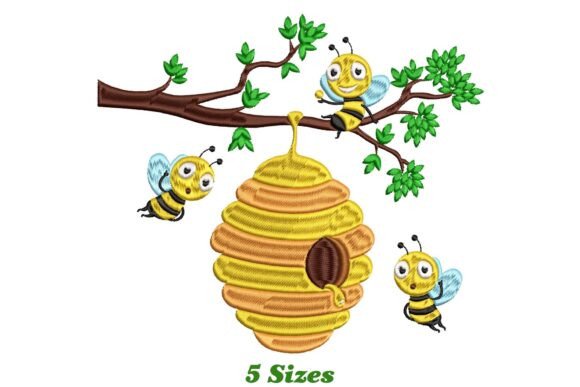
As an embroidery designer who has spent countless weekends behind a booth table, I know that not every design translates well from screen to stitch. When I first loaded the Bee Hive machine embroidery design into my software, I was looking for more than just cute aesthetics. I was evaluating its potential as a high-converting craft fair product. In the crowded world of handmade markets, your designs need to stop traffic, communicate quality instantly, and be practical enough to produce in batches. This review breaks down why this specific Bugs category embroidery might be the secret weapon for your next seasonal collection.
First Impressions: Whimsy Meets Marketability
The immediate vibe of Bee Hive is one of approachable charm. It does not try to be overly complex or hyper-realistic. Instead, it leans into a whimsical, friendly aesthetic that appeals to a broad demographic. For a craft fair seller, this is crucial. You want a design that feels warm and inviting, something that makes a customer smile as they walk past your table. The title suggests a focus on community and nature, themes that resonate deeply with buyers of handmade products. It feels rustic yet polished, fitting perfectly into the current trend of cottagecore and modern farmhouse decor.
What stands out most is the versatility implied by the description. It is not locked into a single style. Whether you are aiming for a playful look on children’s items or a subtle nod to nature on home goods, Bee Hive adapts. This flexibility allows you to create a cohesive brand identity across different product lines without feeling repetitive.
Product Applications: Where Bee Hive Shines
To maximize your return on investment, you need to place the right design on the right substrate. Based on my experience with similar digital embroidery files, here is how Bee Hive performs across various mediums:
- Tote Bag Design: This is arguably the strongest application. A medium-sized Bee Hive centered on a canvas tote creates an instant bestseller. Shoppers love functional art, and the whimsical charm adds value to a simple bag.
- Apron Embroidery: Kitchenware is a staple at craft fairs. Stitching this design on the bib of a linen or cotton apron elevates it from a utility item to a giftable keepsake. It appeals to home cooks who appreciate a touch of personality in their kitchen.
- Tea Towel Embroidery: For a smaller accent, Bee Hive works beautifully on the corner of a tea towel. It serves as a delicate detail that encourages customers to buy in sets. However, ensure the scale is appropriate so it doesn’t get lost in the weave.
- Embroidered Patch: If you offer patches, this design is ideal. It can be stitched on twill and cut close to the edge. Patches are low-cost, high-margin items that allow customers to customize their own jackets or bags later.
- Pillow Covers and Home Decor: On neutral-toned pillow covers, the design acts as a focal point. It adds texture and visual interest without overwhelming the room’s aesthetic.
Production Practicality for Small Shop Owners
For an Etsy seller or boutique maker, time is money. A design that looks great but takes hours to stitch or frequently breaks threads is a liability. Bee Hive appears to balance detail with efficiency. When preparing for a busy market season, you need a design that is repeatable. The clean lines suggest that it should run smoothly on most home embroidery machines, provided you follow standard best practices.
Photography is another critical factor. Does the design photograph well? Yes. The distinct shapes and likely use of contrasting thread colors make it pop in online listings. A clear, crisp image of Bee Hive on a textured fabric can significantly increase click-through rates for your digital embroidery file or finished product listings.
Navigating Technical Challenges
While the design is promising, there are careful-use notes to consider. Always check the stitch density before running a full batch. If the design has dense areas, such as the body of the bees or the hive structure, ensure your stabilizer is up to the task. On thick fabric like denim or canvas, a cut-away stabilizer is often safer than tear-away to prevent puckering.
Fabric texture matters. On highly textured towels, tiny details may get lost. If you plan to use Bee Hive on terry cloth, consider increasing the size slightly or simplifying the inner details if your software allows. Additionally, when stitching on curved surfaces like caps, test the placement carefully. The design should sit flat without distortion. Dark fabrics require thoughtful thread colors; ensure you have high-contrast options ready to maintain visibility and impact.
Enhancing Visual Appeal and Brand Consistency
Using Bee Hive consistently across your booth display can strengthen your brand identity. Imagine a table where the tote bags, aprons, and even your own vendor shirt feature the same charming motif. This repetition creates a professional, curated look that builds trust with buyers. It signals that you are a serious creative entrepreneur, not just someone selling random items.
The design also aids in buyer engagement. Customers often ask about the inspiration behind a piece. Having a story about the importance of bees or the joy of a hive gives you a conversational hook. It transforms a simple transaction into a meaningful interaction, which is the heart of the handmade market experience.
Designer Notes for Final Production
Before you commit to producing inventory, take these practical steps:
- Test on Scrap Fabric: Never skip this step. Run Bee Hive on the exact fabric type you intend to sell. Check for thread breaks, nesting, or registration issues.
- Review Thread Colors: Experiment with different palettes. While traditional yellows and blacks work, consider earthy tones for a rustic feel or pastels for a softer, nursery-friendly look.
- Confirm Hoop Size: Ensure the design fits comfortably within your hoop with adequate margin for hooping. Do not crowd the edges.
- Create a Printable Mockup: Use design assets to create digital mockups for your Etsy shop. This saves time and material costs while allowing you to test marketing angles.
- Check Licensing: If you are using a purchased digital embroidery file, confirm the commercial licensing terms. Ensure you are allowed to sell the finished product physically. Most designers allow this, but always verify to protect your small shop product line.
In conclusion, Bee Hive is more than just a cute bug design. It is a versatile, market-ready asset that can elevate your craft fair presence. By understanding its strengths in tote bag design, apron embroidery, and home decor, and by respecting the technical nuances of stitch density and fabric texture, you can turn this whimsical motif into a profitable segment of your business. Whether you are an experienced embroidery business owner or just starting your journey as an Etsy seller, this design offers the charm and practicality needed to succeed in the competitive world of handmade goods.