Review: Baby Unicorn on Moon for Craft Fair Success
As an embroidery designer who has spent countless weekends behind a booth table, I know that the difference between a browsing customer and a buying customer often comes down to visual impact. When I first loaded the Baby Unicorn on Moon machine embroidery design onto my screen, my immediate reaction was one of relief. In a market saturated with complex, overly dense patterns, this design offers a breath of fresh air. It sits perfectly within the Fairy Tales category, yet it feels modern enough for contemporary home decor. For those of us running small shop products or Etsy seller accounts, finding a digital embroidery file that balances whimsy with production efficiency is rare.
First Impressions and Visual Appeal
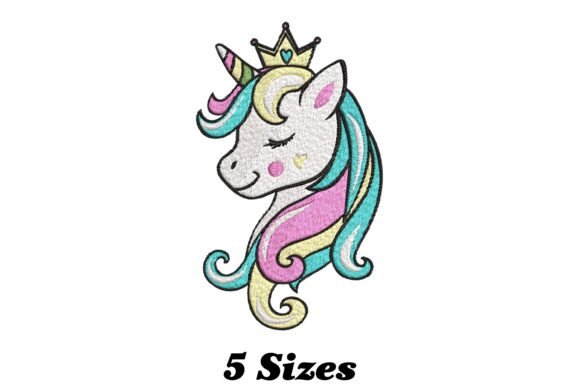
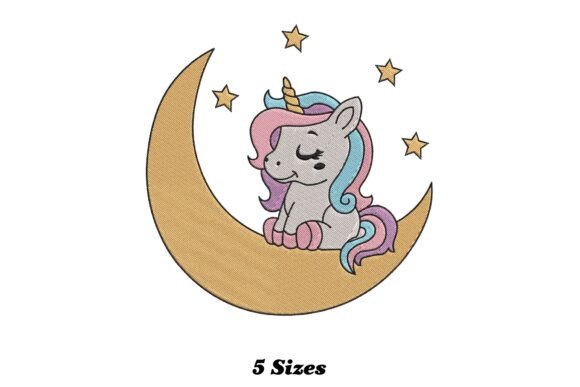
The title alone suggests a soft, dreamy aesthetic, and the execution delivers. This is not a loud, aggressive graphic; it is a gentle, charming motif. The composition likely features a crescent moon cradling a small unicorn, a classic pairing that evokes nostalgia and comfort. For a craft fair product, this emotional connection is vital. Parents looking for nursery decor or gift buyers searching for something unique are drawn to imagery that feels safe and magical.
From a design perspective, the silhouette appears clean. This is crucial for what I call the "three-second rule." When a customer walks past your booth, they decide in three seconds whether to stop. A cluttered design gets lost in the noise of a busy market. Baby Unicorn on Moon has the potential to stand out because of its simplicity. It reads clearly from a distance, making it an excellent candidate for items that need immediate visual recognition.
Strategic Product Placement for Maximum Sales
Not every design works on every item. Through trial and error, I have learned that placement dictates profit. Here is how I would strategically use this embroidery file across various handmade products:
- Tote Bag Design: This is perhaps the strongest application. A canvas tote with this design centered or placed on the lower corner becomes an instant bestseller. It transforms a basic utility item into a statement piece.
- Apron Embroidery: Positioning the unicorn on the bib of a child’s apron or the pocket of an adult’s kitchen apron adds a touch of personality. It appeals to the "gift for the hostess" demographic.
- Tea Towel Embroidery: Kitchen textiles are high-volume sellers. However, caution is needed here regarding fabric texture. Ensure the design is scaled correctly so it does not get lost in the weave of terry cloth or waffle knit.
- Embroidered Patch: If you offer patches, this design is ideal. It allows customers to customize their own jackets or bags later, extending the life of your finished product.
- Pillow Covers: For home decor, placing this on a neutral linen pillow cover creates a premium look. It elevates the perceived value of the item significantly.
Production Practicality and Batch Efficiency
For commercial embroidery, time is money. A design that takes four hours to stitch is rarely profitable for small batch production unless you are charging luxury prices. Baby Unicorn on Moon appears to be designed for efficiency. While I do not have the exact stitch count, the description implies a focus on charm rather than intricate detail, which usually correlates with reasonable run times.
When preparing for a weekend craft fair, I need designs that are repeatable. I can stitch ten tote bags in a morning if the design is straightforward. This consistency helps maintain brand consistency across my booth display. Furthermore, simpler designs tend to have fewer thread breaks and less trimming, reducing the post-production cleanup time.
Careful-Use Notes for Professional Results
Even the best digital embroidery file requires technical vigilance. Here are specific areas where you must exercise caution when using this design:
- Stitch Density: Check the density settings. If the moon area is too dense, it may cause puckering on lightweight fabrics like cotton t-shirts. Always use the appropriate stabilizer to counteract pull.
- Fabric Texture: Textured towels can swallow small details. If the unicorn’s horn or eye is very small, it might disappear into a plush towel. Test on scrap fabric first.
- Curved Surfaces: Stitching on caps requires a different approach than flat hooping. Ensure the design fits within the curved hoop size without distortion.
- Dark Fabric: If stitching on navy or black, ensure your thread colors have enough contrast. A pastel unicorn on dark denim needs bright, vibrant threads to pop.
- Small Lettering: If the design includes any text, verify that it is legible at the intended size. Tiny lettering often merges together after washing.
Enhancing Your Online and Offline Presence
In today’s hybrid market, your physical booth and your online store must work together. For your Etsy listings or website, a high-quality printable mockup is essential. Show the Baby Unicorn on Moon on a variety of backgrounds. Use natural lighting to highlight the sheen of the thread. Customers cannot touch the product online, so the photograph must convey the texture and quality of the stitch.
For booth samples, create a "hero item." This could be a large pillow or a premium tote bag featuring the design prominently. Surround it with smaller items like pouches or patches. This tiered pricing strategy allows customers to buy into the brand at different price points. The visual appeal of the main item draws them in, while the smaller accessories close the sale.
Final Designer Recommendations
Before you commit to full production, treat this as a prototype phase. Do not assume the default settings of your embroidery machine are perfect for every fabric. Here is your checklist:
- Test on Scrap Fabric: Always run a test stitch-out on the same material you intend to sell.
- Check Thread Contrast: Ensure the thread colors complement each other and the base fabric.
- Review Spacing: Make sure elements are not too close, which can cause thread nesting.
- Confirm Hoop Size: Verify that the design fits your standard hoops to avoid re-hooping errors.
- Inspect Stitch Density: Look for areas that are too heavy or too light.
- Use the Right Stabilizer: Match the stabilizer weight to the fabric weight.
- Create a Real Mockup: Photograph the actual stitched item, not just the digital file.
- Compare Fabric Colors: See how the design looks on white, cream, gray, and pastel backgrounds.
- Confirm Commercial Licensing: Before selling finished products, ensure your license covers commercial use. Most digital files do, but always read the terms.
In conclusion, Baby Unicorn on Moon is a versatile asset for any embroidery business. It bridges the gap between childish whimsy and elegant decor, making it appealing to a broad audience. By paying attention to production details and strategic placement, you can turn this simple design into a cornerstone of your craft fair inventory. It is not just about stitching a picture; it is about creating a tangible piece of magic that customers want to take home.