American Patriotic Eagle: A Designer’s Review
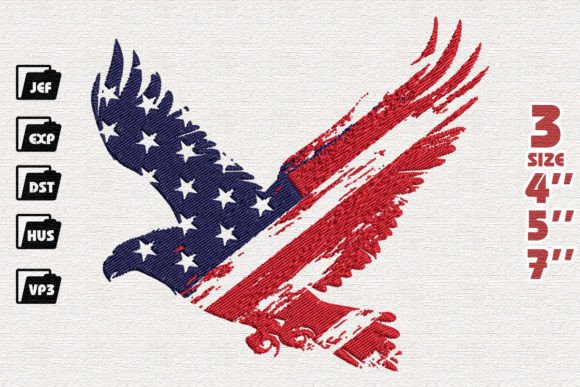
As an embroidery designer who has spent years refining digital assets for commercial use, I approach every new machine embroidery design with a critical eye. It is not enough for a motif to look pretty on a screen; it must perform under the needle, withstand washing, and elevate the brand it represents. Recently, I evaluated the American Patriotic Eagle, a digital file marketed for Independence Day projects. While many seasonal designs fade into obscurity after July 4th, this particular eagle motif offers versatility that extends far beyond holiday decor. For small business owners, apparel decorators, and handmade brands, understanding how this design translates from a digital embroidery file to a tangible product is crucial for maximizing return on investment.
First Impressions and Visual Personality
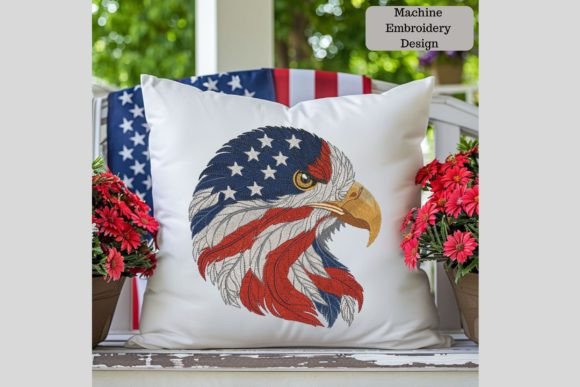
The initial impression of the American Patriotic Eagle is one of bold, classic Americana. It does not attempt to be overly modern or abstract; instead, it leans into a traditional aesthetic that resonates with heritage and pride. The lines appear clean and decisive, suggesting a design that prioritizes clarity over excessive intricacy. This is vital for commercial applications where readability at a distance matters. The visual personality is professional yet spirited, striking a balance between patriotic fervor and refined craftsmanship. It feels less like a novelty item and more like a emblem suitable for established brands looking to tap into local pride or national themes without appearing cheap.
For boutique owners and Etsy sellers, this aesthetic is valuable because it conveys quality. When customers see a well-executed eagle motif, they associate it with durability and tradition. This perception directly impacts brand identity, allowing businesses to position their products as premium rather than disposable. Whether used on a rustic tea towel or a structured cap, the design maintains its integrity, offering a sense of exclusivity that aligns with high-end handmade goods.
Real-World Business Applications
The true test of any embroidery asset is its adaptability across various substrates. In my review, I considered how the American Patriotic Eagle would perform in real-world scenarios for small business merch. Here are several practical applications where this design excels:
- Embroidered Patches: This is perhaps the strongest use case. The bold outlines of the eagle translate beautifully to patch formats. Businesses can create limited-edition patches for customer loyalty programs or event souvenirs. The design’s structure ensures it holds up well when cut and merrowed or heat-sealed onto jackets and bags.
- Staff Uniforms and Aprons: For cafes, bakeries, or florists wanting to show local pride, embroidering this eagle on the chest pocket of an apron adds a touch of personality. It serves as a subtle apron embroidery detail that enhances staff professionalism while reinforcing community values.
- Cap Embroidery: Placing the eagle on the front panel of a dad hat or trucker cap is a trending style. However, this requires careful attention to curvature. The design works best if scaled appropriately to fit the narrow space of a cap front without distorting the eagle’s proportions.
- Tote Bag Design: Canvas totes are a staple for craft fairs and retail shops. A large-scale version of this eagle can serve as the central graphic, turning a simple bag into a statement piece. The contrast of red, white, and blue threads against natural canvas creates a striking visual impact.
- Home Decor Accents: As suggested by its description for trendy pillows and napkins, the design adds seasonal flair to home goods. For interior designers or home decor brands, this offers a quick way to refresh inventory for the summer season.
Technical Considerations for Production
While the artistic merit is high, technical execution determines the success of the finished product. Before running this design on a client’s expensive garment, there are several factors to evaluate. First, consider the stitch density. Patriotic designs often rely on solid fills to create vibrant colors. If the density is too high, it can cause puckering on lightweight fabrics like tea towels or napkins. Conversely, if it is too low, the fabric may show through, compromising the image’s clarity.
I recommend testing the design on a scrap piece of the actual fabric you intend to use. Pay close attention to the thread colors. Standard patriotic palettes use bright red and navy blue, but these can bleed or blend if the stabilizer is insufficient. Always use a high-quality cut-away or tear-away stabilizer depending on the fabric stretch. For caps, a stiff backing is essential to prevent the design from sinking into the material.
Another critical factor is hoop size. Ensure the design fits within your machine’s maximum hoop area without requiring re-hooping, which can lead to misalignment. If the eagle includes fine details or small text elements, verify that these remain legible at smaller sizes. Intricate outlines can sometimes break or become indistinct if scaled down too far for a small chest logo or sleeve detail.
Strategic Branding and Customer Trust
Using a cohesive design like the American Patriotic Eagle contributes significantly to visual consistency. When customers see the same high-quality emblem across different products—such as a tote bag, a patch, and a wall art piece—it reinforces brand recognition. This consistency builds trust, signaling that the business pays attention to detail and values quality.
For handmade brands, the perceived value of an embroidered item is higher than that of a printed one. The texture and dimensionality of the stitches convey effort and craftsmanship. By incorporating this design into your small business merch, you are not just selling a product; you are selling an experience and a connection to shared values. This emotional resonance can drive buyer engagement and encourage repeat purchases.
Practical Designer Notes for Implementation
To ensure the best results when using this commercial embroidery asset, follow these practical steps:
- Test in Monochrome: Before committing to colored threads, stitch out the design in black thread on white fabric. This helps you identify any gaps in coverage or issues with stitch direction without the distraction of color.
- Check Scaling Limits: Determine the minimum and maximum sizes at which the eagle remains recognizable. Create a printable mockup to visualize how it looks on different items before stitching.
- Evaluate Fabric Texture: Rough or textured fabrics can obscure fine details. If using this design on denim or canvas, ensure the stitch length is appropriate to bridge the texture gaps.
- Review Licensing Terms: Although the description mentions adding exclusivity to projects, always confirm the specific license terms included with the design assets. Ensure you have the right to use the file for commercial sales, especially if producing items for third-party clients.
- Compare with Existing Assets: Place the eagle next to your current logo or other design elements. Ensure the style complements rather than clashes with your existing brand imagery.
In conclusion, the American Patriotic Eagle is a versatile and robust addition to any embroidery designer’s library. Its strength lies in its adaptability and strong visual presence. By carefully managing technical variables like stabilizer choice and stitch density, small business owners can leverage this design to create high-value, memorable merchandise. Whether for Independence Day promotions or year-round patriotic branding, this embroidery file offers a professional pathway to enhancing product appeal and strengthening brand identity.