Hydrangea Flower: A Designer’s Review for Merch
As an embroidery designer who has spent years digitizing files and consulting with small business owners, I look at every new machine embroidery design through a specific lens. It is not just about whether the image looks pretty on a screen; it is about how that design performs in the real world of commercial production. Today, I am reviewing the Hydrangea Flower, a piece from the Single Flowers category that promises to add whimsy charm to various textiles. For boutique owners, café managers, and handmade brands, understanding the practical application of this embroidery file is crucial before investing in bulk production.
First Impressions and Visual Personality
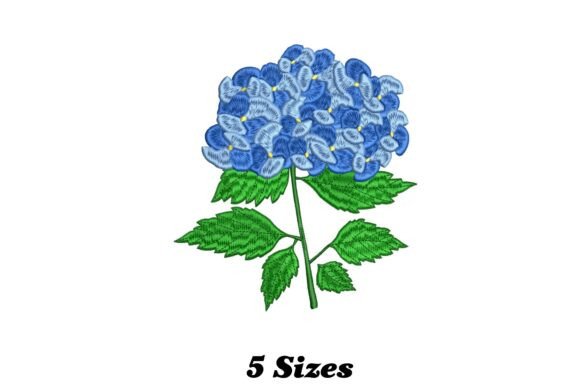
The Hydrangea Flower immediately strikes me as approachable and soft. Unlike bold, geometric logos or aggressive streetwear graphics, this design leans into elegance and natural beauty. The description highlights its suitability for adding a touch of whimsy, which suggests a lighter, more organic stitch pattern rather than a heavy, solid fill. This visual personality is vital for brand identity. If you run a florist shop, a bakery, or a creative studio, this design communicates warmth and care. It feels handmade, even when produced by a machine, which is a significant selling point for customers seeking authentic, high-quality goods.
However, "whimsy" can sometimes translate to complexity. In embroidery, intricate details can get lost if the stitch density is too low or the thread colors lack contrast. My initial assessment is that this design works best when it is allowed to breathe. It is not a logo that needs to be recognized from across the street; it is a detail that invites closer inspection, making it perfect for customer gifts and premium merchandise.
Real-World Applications for Small Business Merch
When considering where to place the Hydrangea Flower, we must think about the substrate. The product description mentions t-shirts, towels, pillows, and home decor items. From a commercial embroidery standpoint, here is how I see this design performing across different assets:
- Apron Embroidery: For bakeries and florists, an apron is a walking billboard. Placing this flower on the chest pocket or the upper corner adds a professional yet personal touch. It elevates the staff uniform from generic workwear to branded attire.
- Tote Bag Design: Canvas totes are a staple for retail shops. The texture of canvas holds embroidery well. A single hydrangea cluster can serve as a minimalist logo alternative, appealing to customers who prefer subtle branding over loud graphics.
- Embroidered Patch: Creating a custom patch allows for versatility. You can iron or sew these onto denim jackets, hats, or laptop bags. Patches also solve the issue of hooping difficult items, as you can embroider the patch flat and then attach it later.
- Cap Embroidery: This is tricky. Caps have curved, structured fronts. If the Hydrangea Flower is too wide, it will distort. It must be tested on a cap frame to ensure the petals do not bunch up. If the design is compact, it makes for a charming side-detail or front-center accent.
Navigating Technical Challenges
While the aesthetic is strong, we must address the technical realities of stitching. Any experienced digitizer knows that beautiful screen images do not always translate perfectly to thread. Here are the areas where you need to exercise caution with this design:
Stitch Density and Fabric Texture: Hydrangeas are known for their clustered, delicate petals. If the stitch density is too high, the fabric may pucker, especially on lightweight materials like t-shirt jersey. Conversely, if the density is too low, the backing might show through. Always test on the actual fabric texture you intend to use. Towels, for instance, have a looped surface that can swallow small stitches, so you may need a denser fill or a larger size for towel applications.
Small Patch Sizes: If you plan to use this as a tiny label or a small chest logo, verify the minimum viable size. Fine details in flower petals can merge into a blob if scaled down too far. I recommend creating a printable mockup at 50% and 75% scale to visualize how the details hold up before committing to production.
Thread Colors: The charm of a hydrangea lies in its color gradients. Ensure your thread colors offer enough contrast to define the shape. On dark uniforms, such as navy or black aprons, you will need bright, vibrant threads to make the design pop. On light linen, pastel threads may look sophisticated but could lack definition from a distance.
Enhancing Brand Identity and Trust
Why does this matter for your bottom line? Because consistency builds trust. When a customer receives a tote bag or wears a shirt with a well-executed Hydrangea Flower, they perceive your brand as attentive to detail. It signals that you value quality. This is particularly important for Etsy sellers and handmade product creators who compete on presentation. A sloppy embroidery job can undermine the perceived value of even the most expensive item. A clean, crisp floral design reinforces the narrative of care and craftsmanship.
Furthermore, using consistent design assets across your touchpoints—from your website to your packaging accents—creates a cohesive brand experience. If your logo is modern and minimal, this floral element can serve as a secondary graphic that softens the brand image, making it more inviting for gift buyers.
Practical Notes for Production
Before you load this digital embroidery file into your machine for a large run, follow these professional steps:
- Test in Black and White: Remove color from the equation initially. Check if the shape is recognizable and if the spacing between elements is sufficient. If it looks muddy in monochrome, it will look messy in color.
- Check Hoop Size Compatibility: Confirm the required hoop size. Ensure your machine can accommodate the dimensions without re-hooping, which can cause alignment issues.
- Use Proper Stabilizer: Do not skimp on stabilizer. For stretchy fabrics like t-shirts, use a cut-away stabilizer to prevent distortion over time. For woven fabrics like towels or canvas, a tear-away may suffice, but test first.
- Verify Commercial Licensing: This is critical. Before selling any small business merch featuring this design, confirm the license terms. Ensure you have the right to use the embroidery file for commercial purposes. Never assume; always read the documentation provided with the download.
- Create Client Mockups: If you are doing custom work for a client, show them a realistic mockup. Manage expectations regarding how the thread sheen interacts with their chosen fabric.
In conclusion, the Hydrangea Flower is a versatile asset for the right brand. It excels in environments that value warmth, nature, and handmade aesthetics. By respecting the technical limitations of embroidery and planning your placement carefully, you can turn this single flower into a powerful tool for brand recognition and customer engagement. Treat it not just as a decoration, but as a strategic component of your custom apparel and merchandise strategy.