Mini Duck: A Designer’s Review for Branded Merch
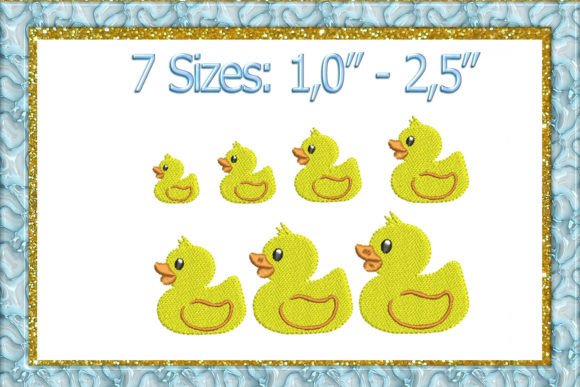
As an embroidery designer who has spent years digitizing files and consulting with small business owners, I know that choosing the right machine embroidery design is about more than just aesthetics. It is about functionality, brand alignment, and production viability. Recently, I evaluated the Mini Duck design to determine its potential for commercial use. This piece falls under the Birds category and offers a distinct charm that can elevate various textile products. Here is my professional assessment of how this embroidery file performs in real-world business scenarios.
First Impressions: Whimsy Meets Professionalism
The immediate visual impact of Mini Duck is one of approachable warmth. The description invites users to embellish fabrics with a touch of whimsy and charm, which translates well into a design that feels handmade yet polished. For boutique owners or creative studios, this aesthetic is crucial. It does not scream "corporate coldness"; instead, it suggests a friendly, community-focused brand identity. Whether you are running a local bakery, a pet brand, or a florist shop, the playful nature of this bird motif can soften your brand image while maintaining a level of decorative elegance. It strikes a balance between rustic appeal and modern simplicity, making it versatile for various industries.
Strategic Applications for Small Business Merch
When considering where to apply Mini Duck, we must look beyond simple home decor. While the product description mentions towels and pillows, the true value for a business lies in branded merchandise. Here is how I envision this design working across different product lines:
- Embroidered Patches: This is perhaps the strongest use case. A well-digitized duck motif makes for an excellent iron-on or sew-on patch. You can sell these as standalone accessories or use them to brand tote bags and jackets without committing to permanent embroidery on every item.
- Staff Uniforms and Aprons: For cafés and bakeries, apron embroidery adds a premium feel. Placing Mini Duck on the chest pocket or lower corner of an apron creates a subtle, recognizable mark that enhances customer trust. It signals attention to detail.
- Cap Embroidery: Curved surfaces like baseball caps require designs that are not too wide. If the scale of this design is compact, it works beautifully on the front panel or side of a cap, offering a trendy, casual look for staff or retail sale.
- Tote Bag Design: Reusable bags are a staple for eco-conscious brands. A centered or corner-placed duck design turns a generic bag into a branded asset that customers will actually want to use, increasing your brand visibility in public spaces.
Navigating Production Challenges
While the visual appeal is strong, any experienced embroiderer knows that design beauty does not always equal stitch efficiency. When using Mini Duck for commercial embroidery, you must be mindful of technical constraints. The primary concern with any detailed bird design is stitch density. If the design is too dense, it can cause puckering on lightweight fabrics like cotton tote bags or silk blends. Conversely, if it is too sparse, it may look unfinished on textured materials.
You should also consider the fabric texture. Highly textured fabrics, such as terry cloth towels or heavy wool, can swallow small details. If Mini Duck relies on fine outlines, these might get lost. I recommend testing the design on the exact material you plan to use before full production. Additionally, dark uniforms present a challenge. If the design relies on light thread colors for contrast, ensure you have a solid underlay or consider using a backing patch to make the colors pop against navy or black fabrics.
Enhancing Brand Identity and Customer Trust
Consistency is key to building a recognizable brand. Using a cohesive set of design assets helps customers identify your products instantly. Mini Duck can serve as a secondary logo or a thematic accent that reinforces your brand’s personality. For Etsy sellers and handmade product creators, this level of customization distinguishes your items from mass-produced goods. When a customer receives a package with a carefully embroidered detail, it elevates the perceived value of the finished product. It suggests that care was taken in every step of the creation process, fostering deeper buyer engagement and loyalty.
Practical Notes for the Embroidery Professional
Before you load this digital embroidery file into your machine for a large run, follow these critical steps to ensure quality control:
- Test in Black and White: Before selecting your final thread colors, stitch out the design in black thread on white fabric. This allows you to inspect the spacing and structure without the distraction of color. It reveals if any areas are too dense or if there are gaps in the coverage.
- Check Scale for Patch Size: Verify the dimensions of Mini Duck. If you intend to use it as a small chest logo or a patch, ensure the details remain clear at that reduced size. Tiny lettering or intricate feathers may merge together if scaled down too far.
- Select the Right Stabilizer: The choice of stabilizer can make or break the final look. For stretchy fabrics like jersey tees, use a cut-away stabilizer. For woven fabrics like canvas totes, a tear-away might suffice, but always test first to prevent distortion.
- Confirm Hoop Size: Ensure the design fits comfortably within your machine’s hoop size, leaving enough margin for clamping. Do not assume the file is optimized for all hoop sizes; check the specific dimensions provided in the file package.
- Create a Printable Mockup: Before stitching on expensive garments, create a digital mockup or stitch on a scrap piece of similar fabric. This serves as a proof for client approval and helps you visualize the final placement.
- Verify Commercial Licensing: This is non-negotiable. The product description notes that the design comes with certain attributes, but it does not explicitly state the license terms here. Always confirm that your purchase includes a commercial use license if you intend to sell items featuring Mini Duck. Never assume; always read the included documentation.
Final Verdict on Mini Duck
The Mini Duck design offers a charming, versatile option for businesses looking to add a personal touch to their merchandise. Its strength lies in its ability to convey friendliness and craftsmanship simultaneously. However, its success depends entirely on proper execution. By paying attention to stitch density, fabric compatibility, and licensing, you can transform this simple bird motif into a powerful tool for brand recognition. Whether used on aprons, caps, or patches, it has the potential to become a signature element of your small business merch, provided you treat it with the technical respect it deserves. Always prioritize quality control and test thoroughly to ensure your finished product reflects the high standards of your brand.