Review: Love Letter Envelope Feltie for Real Projects
As a designer who spends more time staring at stitch maps than actual fabric, I have learned to be skeptical of cute concepts. We all know that what looks charming on a screen can sometimes turn into a tangled mess of thread breaks and puckering on the hoop. However, when I first loaded the Love Letter Envelope Feltie into my digitizing software, I paused. It was not just another generic heart or arrow. It had a specific narrative quality—a tactile, nostalgic vibe that immediately suggested its best uses. This is not just a shape; it is a conversation starter stitched in thread.
The design falls squarely into the Shapes category of Embroidery, but it transcends simple geometry. It mimics the physical act of holding a letter, which creates an instant emotional connection with the viewer. For those of us running small shops or creating custom gifts, that emotional hook is half the battle. The other half is technical execution, and that is where this review dives deep.
First Impressions and Visual Personality
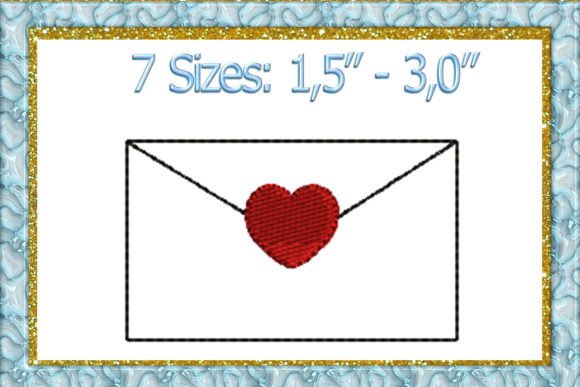
The immediate mood of the Love Letter Envelope Feltie is warm, intimate, and slightly vintage. It does not scream for attention with aggressive colors or complex shading. Instead, it relies on clean lines and recognizable silhouettes. The layout is compact, which is crucial for modern embroidery trends that favor subtle branding over loud logos. The detail level is balanced; there is enough definition to show the flap of the envelope and the suggestion of a letter inside, but not so much density that it becomes stiff or heavy.
Visually, this design feels like it belongs on items meant to be held close to the body or given as tokens of affection. It lacks the rigid structure of corporate logos, making it perfect for handmade products where imperfection and warmth are selling points. When I imagine this stitched out, I see soft pastels or classic reds and creams, rather than neon or high-contrast industrial tones.
Real-World Application: The Tote Bag Test
To truly evaluate a design, you have to imagine it on a product. Let us consider a custom canvas tote bag, a staple for any Etsy seller or craft fair vendor. I recently worked on a project for a local bookstore that wanted Valentine’s Day merchandise that was not overly romantic but still celebratory. The Love Letter Envelope Feltie was the ideal candidate.
Placed on the lower corner of a natural cotton tote, the design acted as a subtle signature. Because the design comes with seven sizes, including the compact 2.99” x 1.80” (76.0mm x 45.8mm) option, it fit perfectly without overwhelming the fabric weave. The smaller size allowed for quick stitching, which is vital for keeping production costs down in a craft business. Customers reacted positively to the "hidden message" aesthetic—it felt like a secret note tucked into their bag.
Beyond totes, this design shines in sweatshirt embroidery and custom apparel. On a crewneck sweatshirt, placing this feltie over the heart area creates a literal and figurative connection. It works exceptionally well for baby embroidery too, particularly on onesies or burp cloths, where the soft, rounded edges of the envelope shape feel safe and gentle against sensitive skin.
Technical Performance and Stitching Considerations
From a technical standpoint, the Love Letter Envelope Feltie behaves predictably, which is a compliment in the world of machine embroidery. The stitch path appears logical, minimizing jumps and trims. However, because it is a "feltie" style design, it likely relies on a combination of satin stitches for borders and fill stitches for the body. This means stitch density is a critical factor.
If you are using this on thin or stretchy fabrics, such as jersey knits for t-shirts, you must use a proper stabilizer. A cut-away stabilizer is recommended to prevent the design from pulling the fabric out of shape, especially if the fill stitch density is high. On textured fabrics like linen or canvas, the design holds up well, but you should check your thread tension. A slightly looser top tension can help the stitches lay flat against the rougher texture.
One area to watch is the corners of the envelope flap. Sharp corners in satin stitches can sometimes bunch up if the needle penetration is too dense. I advise testing the design on scrap fabric first, specifically looking at how the machine handles the transition from the envelope body to the flap. If you notice puckering, consider reducing the stitch count slightly or using a finer needle.
Where to Use It Carefully
While versatile, this design is not universal. Avoid using the smallest size on dark, fuzzy fabrics like fleece or heavy wool. The fine details of the letter peeking out may get lost in the pile of the fabric. Similarly, be cautious with curved surfaces like caps. While the 76.0mm width might fit on a standard cap front, the curvature can distort the rectangular shape of the envelope, making it look warped. In such cases, a larger hoop size and careful hooping technique are essential.
Also, consider the washing instructions. If this is going on an item that will be laundered frequently, like a kitchen towel or apron, ensure you use high-quality polyester thread that resists fading. The visual appeal of the design relies on the contrast between the envelope and the background, so colorfastness is key to maintaining professionalism.
Enhancing Brand Value and Customer Trust
For small shop products and boutique branding, consistency is everything. The Love Letter Envelope Feltie offers a cohesive look that can be adapted across various product lines. Imagine using it on pillow covers for a home decor collection, then repeating it on matching tea towels. This repetition builds brand recognition.
Furthermore, the design lends itself beautifully to personalized gifts. Adding a monogram inside the envelope or stitching the recipient's name below it transforms a standard item into a cherished keepsake. This level of customization increases perceived value and buyer engagement. When customers see a thoughtful, well-executed design, they trust the maker’s skill.
Practical Designer Notes
- Test on Scraps: Always stitch out a test piece on the same fabric type you plan to use for the final product. Check for puckering and thread breaks.
- Color Contrast: Review the design in black and white mockups to ensure the shape is readable even without color cues. This helps in choosing thread colors that provide sufficient contrast against the fabric.
- Stabilizer Choice: Match your stabilizer to the fabric weight. Tear-away for stable woven fabrics, cut-away for knits and stretchy materials.
- License Verification: Before selling finished items or digital products featuring this design, confirm the licensing terms. Ensure you have the right to use it for commercial embroidery projects.
- Hoop Size Confirmation: Although the design comes in seven sizes, always double-check that your specific machine’s hoop can accommodate the largest size you intend to use.
In conclusion, the Love Letter Envelope Feltie is a solid addition to any designer’s library. It balances aesthetic charm with technical reliability, making it suitable for a wide range of applications from holiday gifts to everyday apparel. By paying attention to fabric choice and stabilization, you can ensure that every stitched piece reflects the quality and care that your customers expect.